
Stay up to date with the Refreshing Rivers Program by subscribing to our newsletter.
Thanks for subscribing to Refreshing Rivers!
Oops! Something went wrong while submitting the form.

2 school holiday events were recently held on Morleys Creek and Nimbo Creek as part of a Kids Fishcare event.

David Carr from 'Warralong' near Gundagai is one landholder who has signed up for a free Natural Capital Profile service. In this video he shares his insights in what he has learnt from this experience in working with our Natural Capital Team.
.avif)
Looking for ways to entertain and educate the kids this school holidays? In this two-hour practical workshop they will learn how to: collect, sort and identify waterbugs: enter the data using the Waterbug App and compare their score with other creeks on the Waterbug Data Portal

Landholders from the Coolac area joined our paddock walk to learn more about on farm biodiversity and explore ways to diversify on farm income.

A paddock walk is being held at Brungle next week to understand more about the different types of indigenous culture that can be found on farms.
.avif)
Creating a welcoming environment the "Women's Yarning Circle" event is for women of the Central Billabong to gather, collaborate, be creative, share stories (cultural, Indigenous and other), and lunch on the banks of the Billabong Creek near Jerilderie.
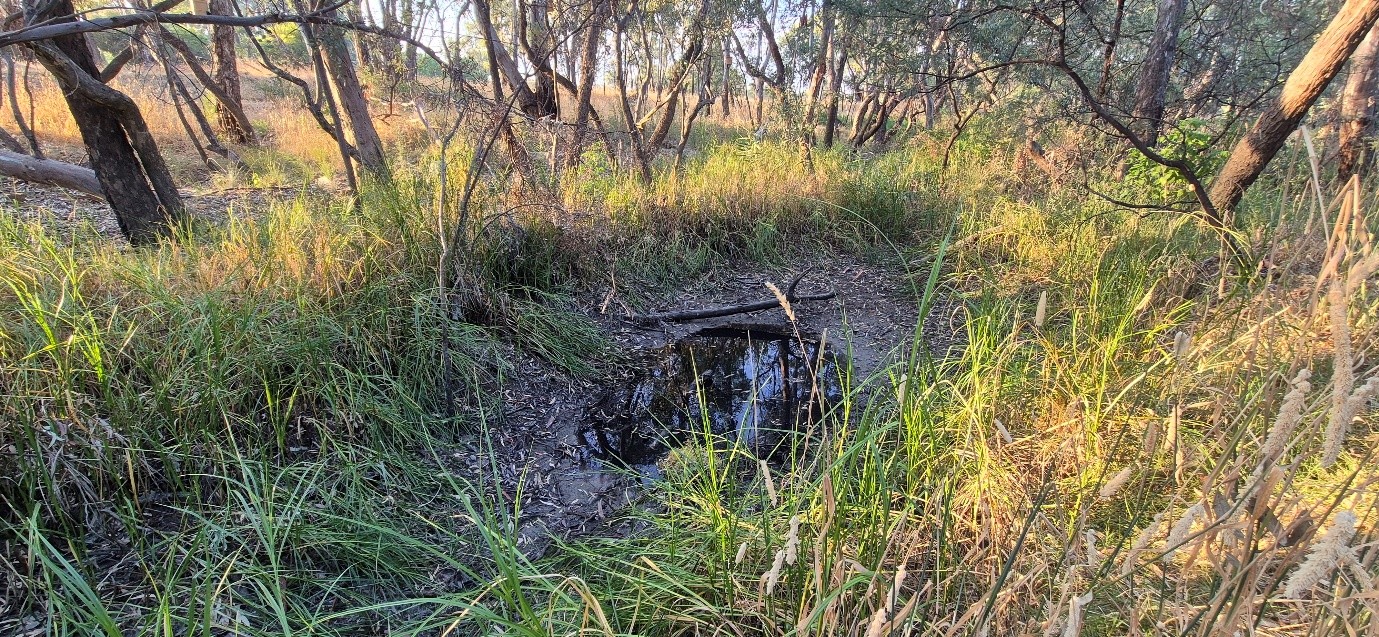
Extreme low flows are pushing refuge pools to their limits. Heat, sediment, salinity and stock impacts are degrading water quality and threatening native fish. This article outlines what’s causing it and practical steps we can take to protect our waterways.
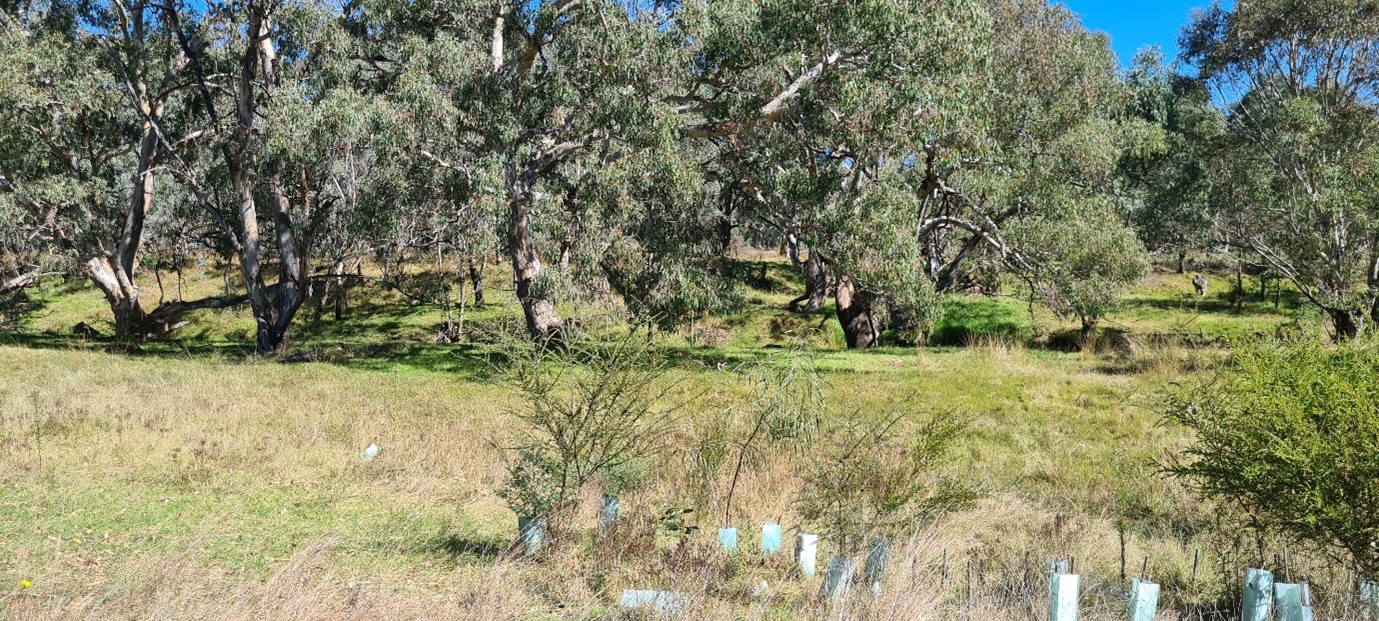
Courtesy of the Refreshing Upper Billabong project, we have a limited number of tubestock suitable for planting both instream and along creek banks to reduce erosion and create habitat.
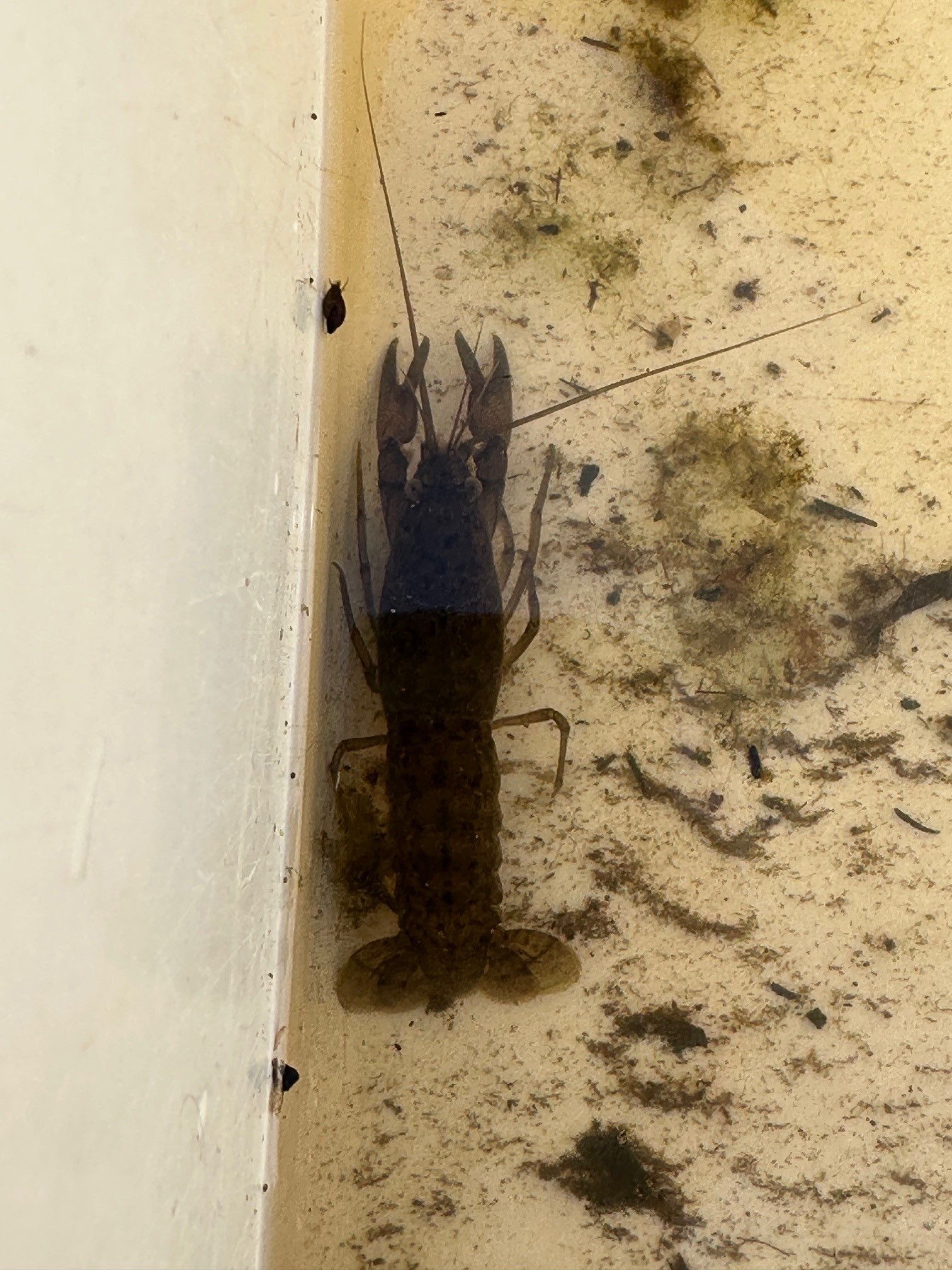
We lacked information on the aquatic wildlife of the Upper Billabong catchment, so using Citizen Science - the Refreshing Rivers iNaturalist project and eDNA tests, we have gathered 1,672 observations across the catchment and also completed 9 eDNA profiles in local waterways.
.jpg)
On Saturday the 21st of March, the inaugural Carpathon was held at The Cape in Jerilderie. The sun was shining, the grass was green from the recent rain, and 73 people registered for the event! It was a day full unlucky carp, prize winners, a delicious BBQ and many happy faces.
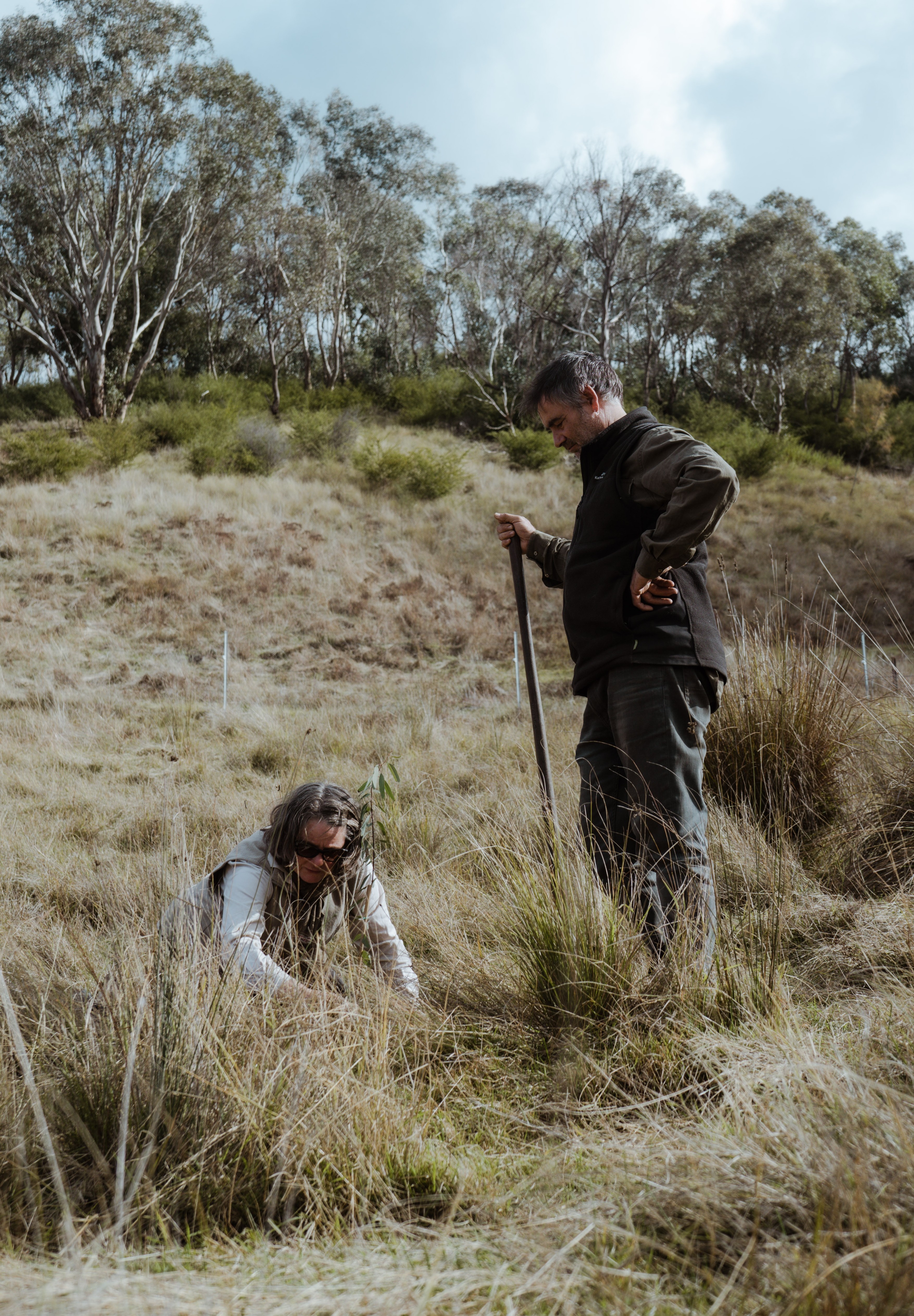
David Bray and Louise Freckleton are stewards of Highfield Farm and Woodland, a 335 Ha property near Adelong in the eastern Riverina. Highfield blends conservation of critically endangered Box‑gum grassy woodland with a small‑scale paddock‑to‑plate enterprise and a thriving ecotourism operation.
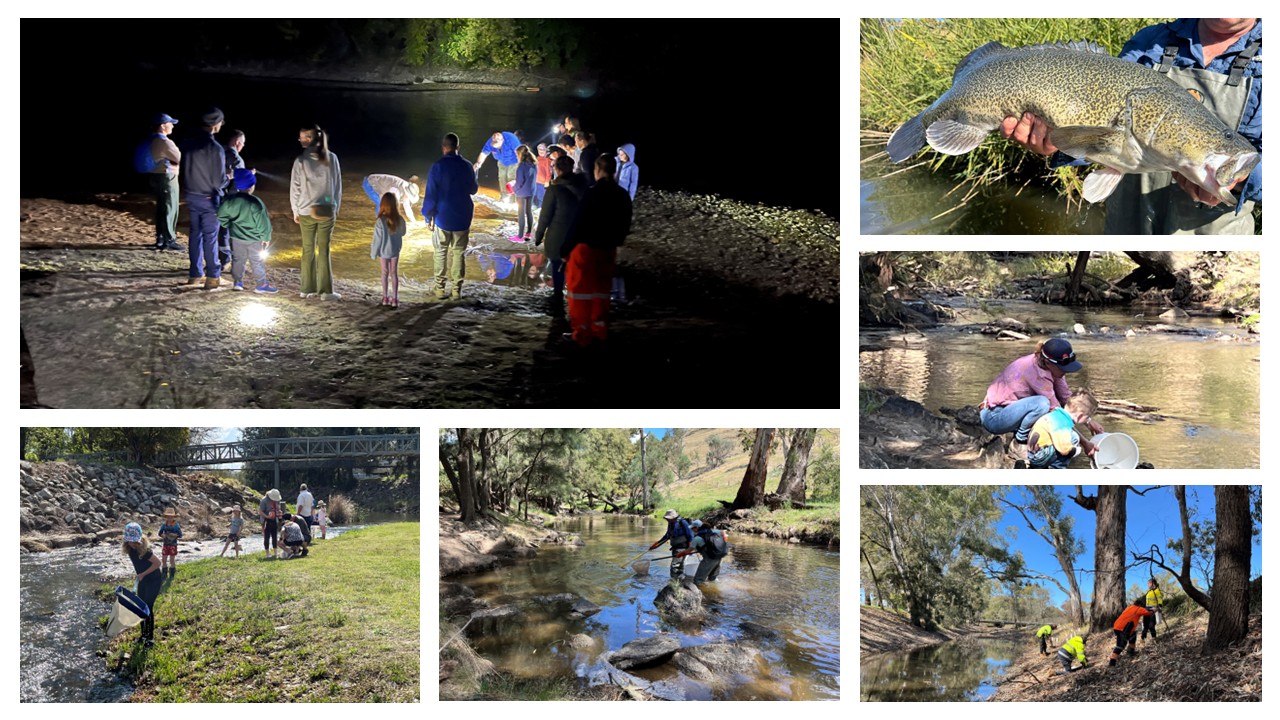
As 2025 comes to a close, we’re proud to share some amazing achievements in the Riverina Highlands target area:
.jpg)
Join our staff these school holidays for a hands-on workshop where kids become wildlife heroes!

Join Riverina Local Land Services and Landcare for a hands-on workshop and explore the intriguing world of tree hollows and their importance to wildlife.
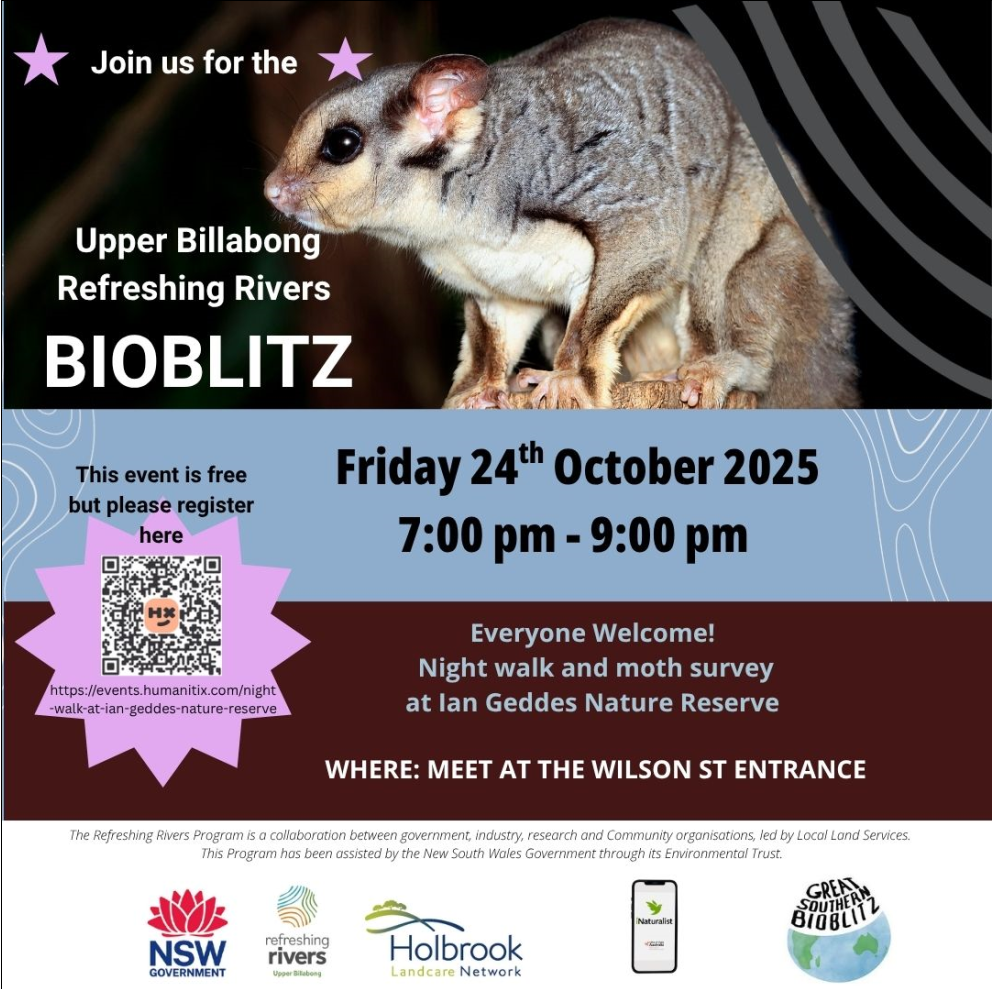
We have some fantastic events coming up for the Upper Billabong Refreshing Rivers BioBlitz! These are all free events and everyone is welcome!
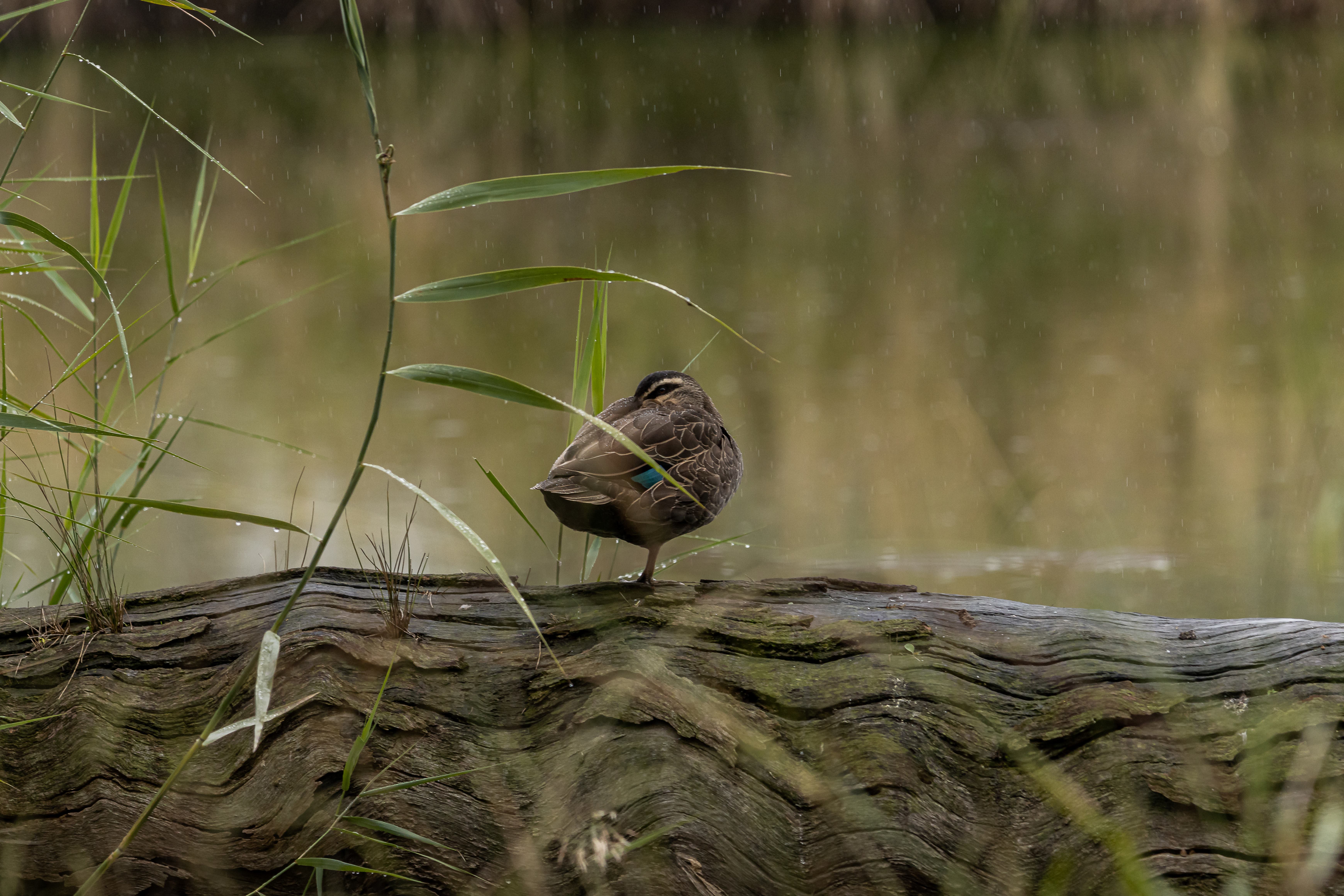
In this hands-on workshop, aimed at the mature age group, you will learn how to record nature observations and contribute to an international biodiversity data base. Each participant will also receive free plants and resources to improve nature in their own back yard.
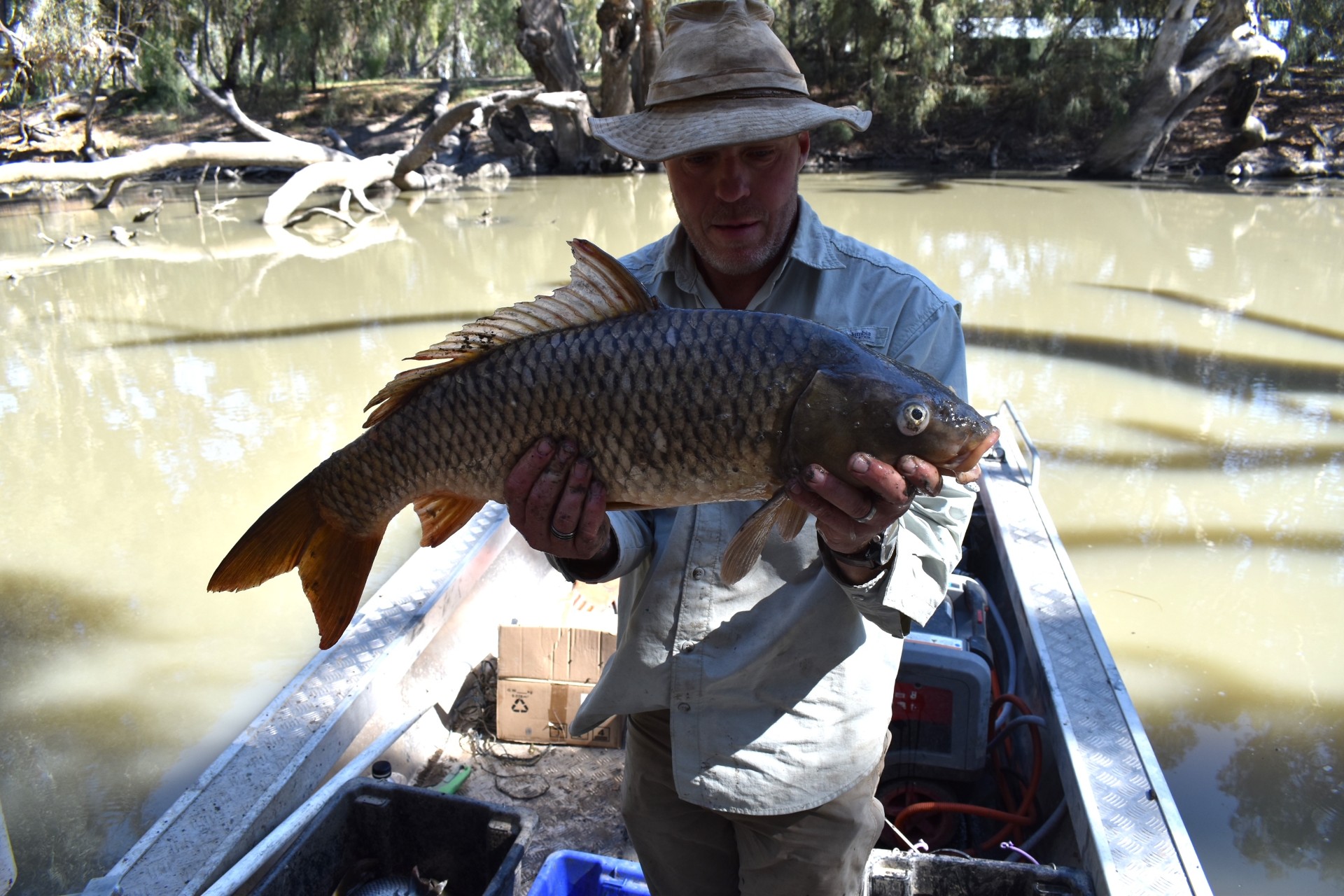
On Saturday the 21st of March, the inaugural Carpathon was held at The Cape in Jerilderie. The sun was shining, the grass was green from the recent rain, and 73 people registered for the event! It was a day full unlucky carp, prize winners, a delicious BBQ and many happy faces.

European carp (Cyprinus carpio) uproot vegetation, degrade habitat and reduce water quality, competing with native species for food and space. Come along to help us remove some of these carp from our local waterway.
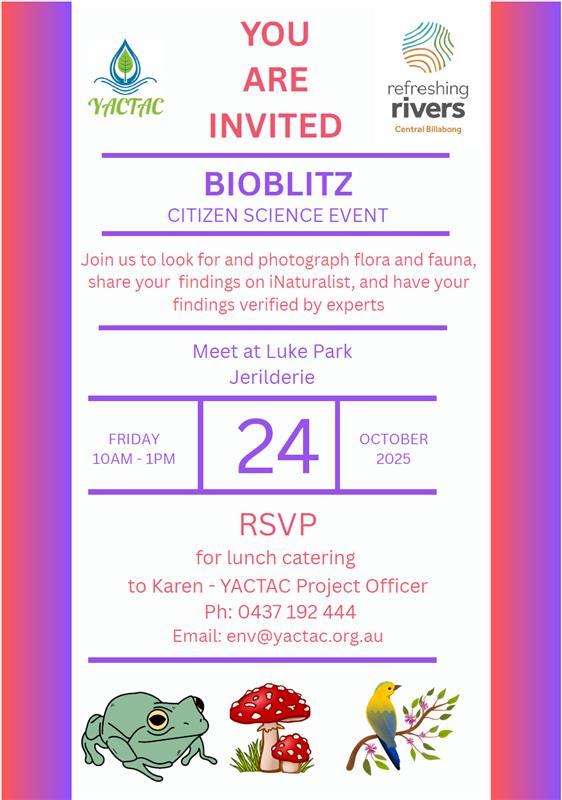
Join us to look for and photograph flora and fauna, share your findings on iNaturalist, and have your findings verified by experts.
YACTAC are on the lookout for landholders along Colombo Creek to be part of a baseline assessment. This program will focus on carp removal, and the distribution and health of trout cod and eel-tailed catfish populations in Colombo Creek.

Central Billabong landholders celebrate the incredible success of willlow removal projects over the past 15 years, which have turned clogged creeks into broad, navigable waterways, flanked by redgums and revegetation plantings, and home to native fish and birds.
Extreme low flows are pushing refuge pools to their limits. Heat, sediment, salinity and stock impacts are degrading water quality and threatening native fish. This article outlines what’s causing it and practical steps we can take to protect our waterways.
Courtesy of the Refreshing Upper Billabong project, we have a limited number of tubestock suitable for planting both instream and along creek banks to reduce erosion and create habitat.
We lacked information on the aquatic wildlife of the Upper Billabong catchment, so using Citizen Science - the Refreshing Rivers iNaturalist project and eDNA tests, we have gathered 1,672 observations across the catchment and also completed 9 eDNA profiles in local waterways.
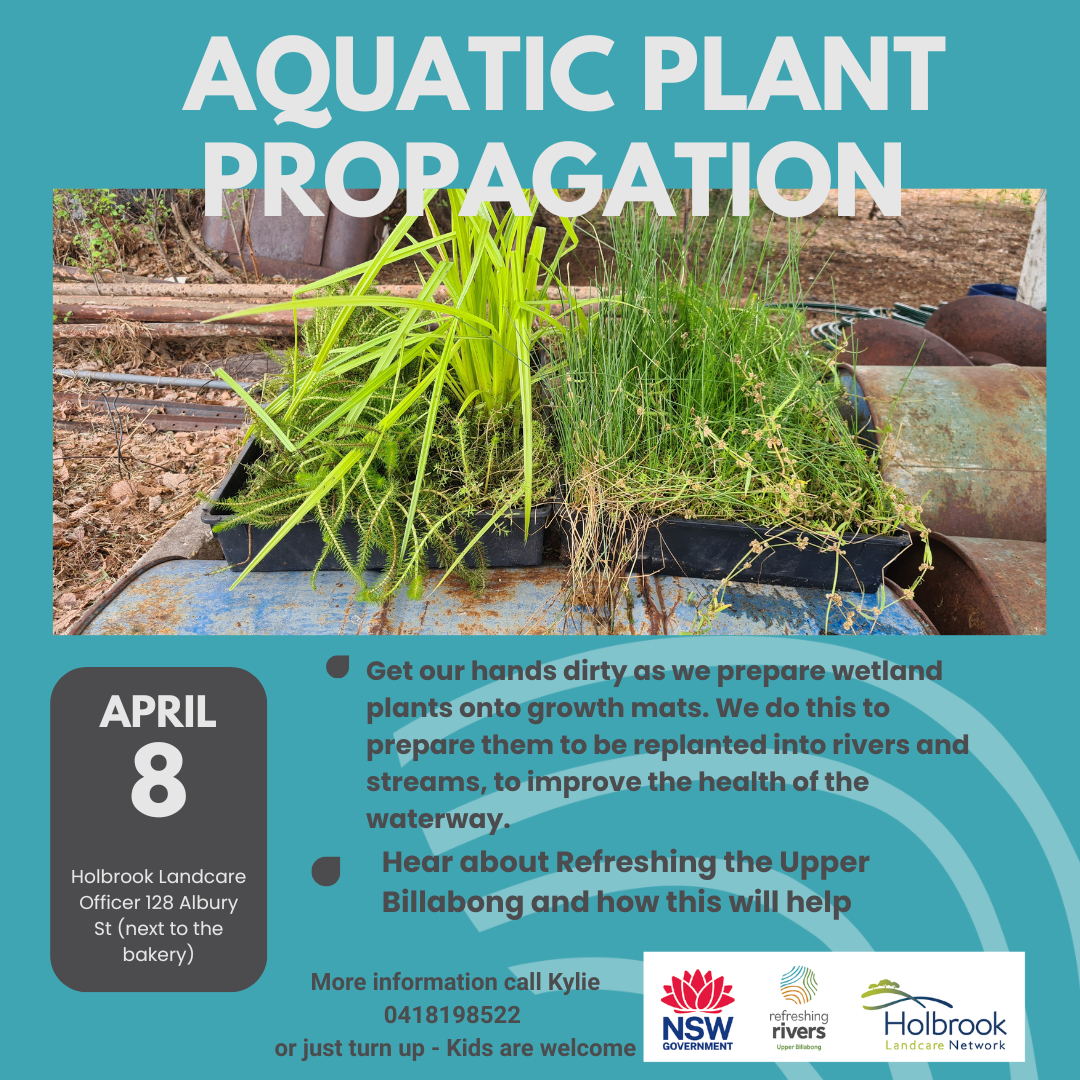
Let's get our hands dirty and prepare wetland plants onto growth mats! We do this to prepare them to be replanted into rivers and streams, to improve the health of our waterways.
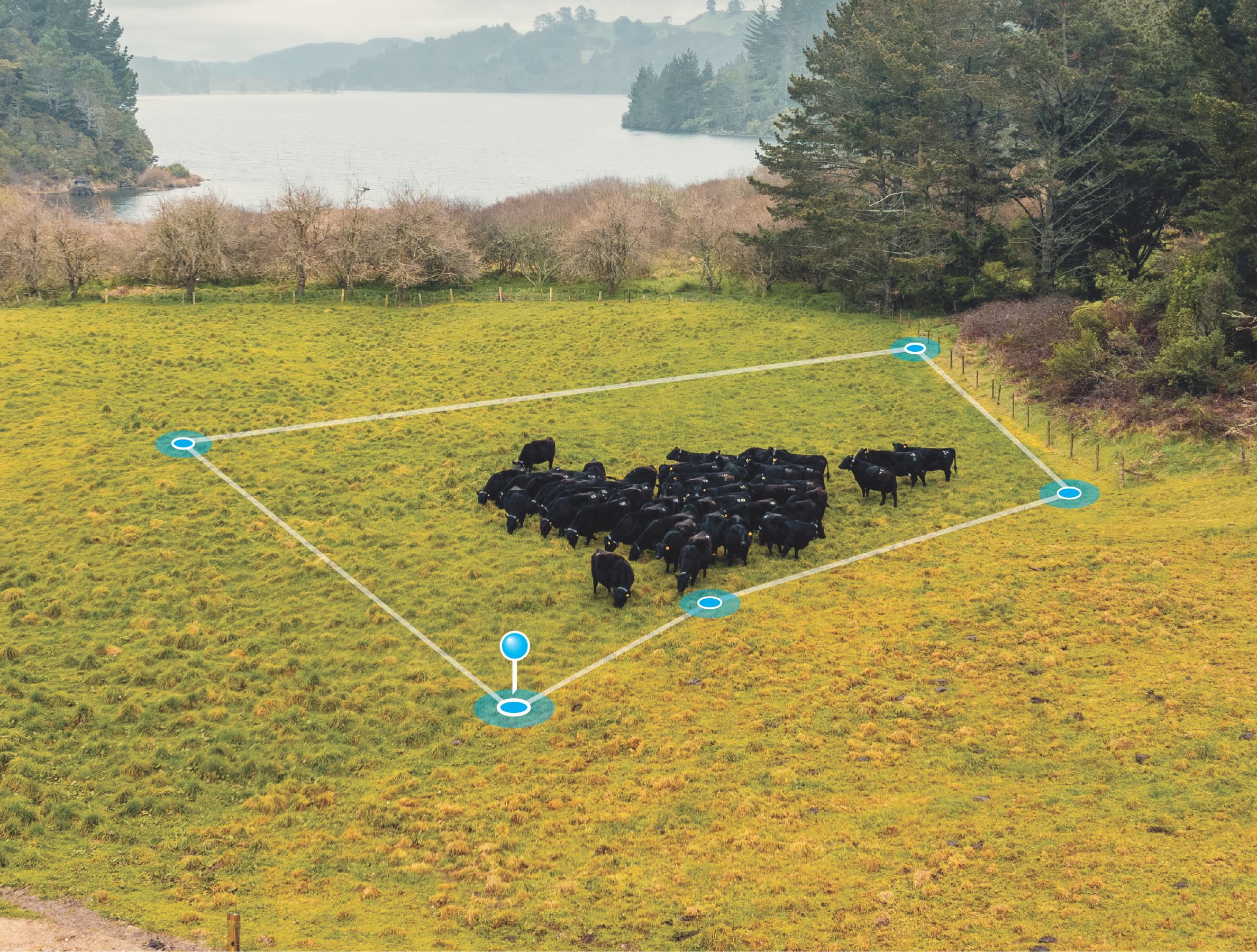
We're hosting an introduction session to virtual fencing technology! Come and learn about virtual fencing, the pros and cons of the technology, and hear from one of the technology providers, Halter and a farmer in the early stages of adoption.
A paddock walk is being held at Brungle next week to understand more about the different types of indigenous culture that can be found on farms.

In 2013, the Riverina Highlands Landcare Network undertook some works on the Adelong Creek to improve habitat for native fish. As part of the project, Murray Cod fingerlings were also released.


Come along to hear about how drone technology can be used to manage weeds in sensitive areas - like alongside our waterways!





Please get in touch by emailing info@refreshingrivers.com.au

All material © Refreshing Rivers 2024.
Website developed by the Australian River Restoration Centre