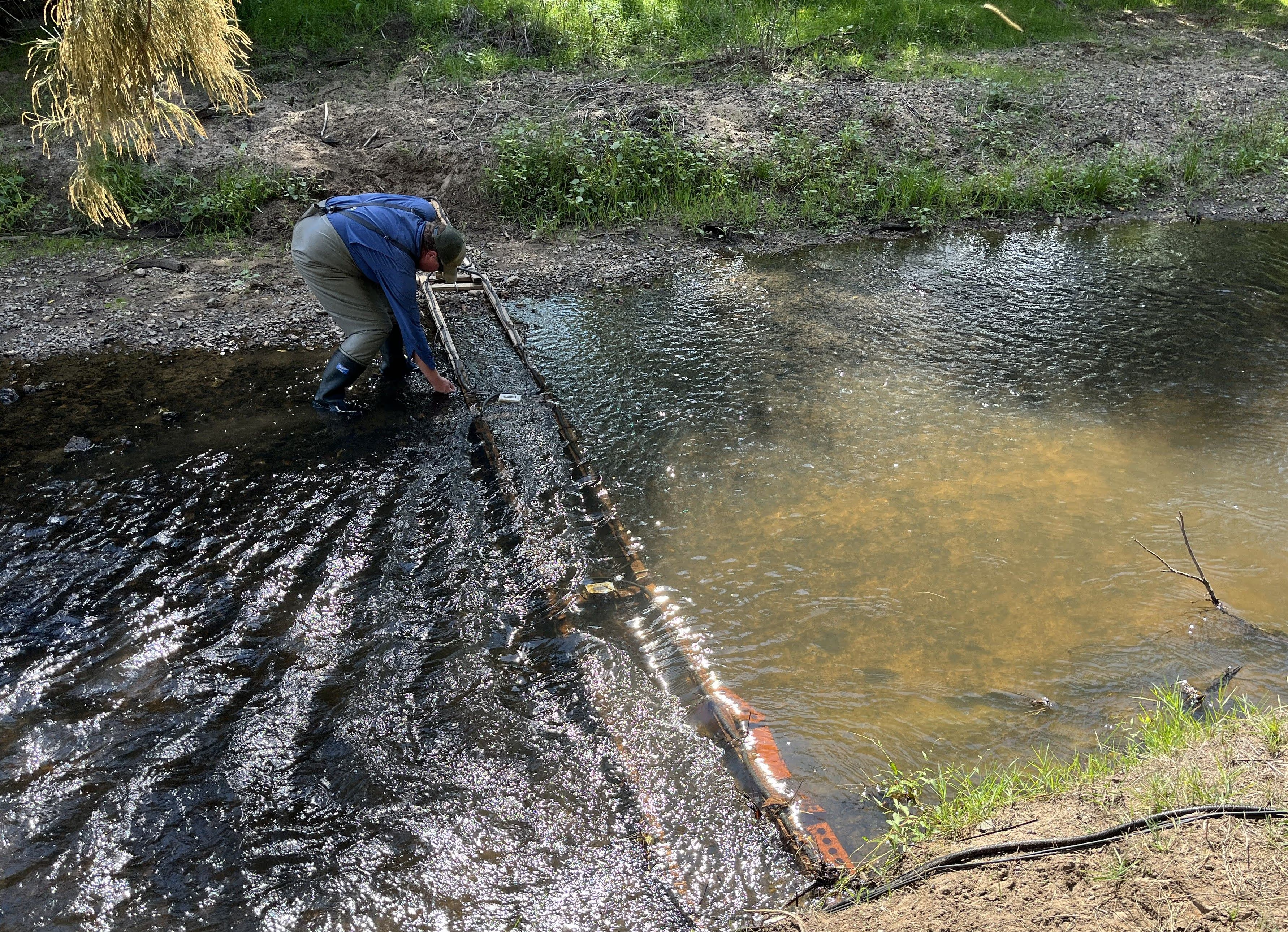
Refreshing the Upper Billabong - refuge pools
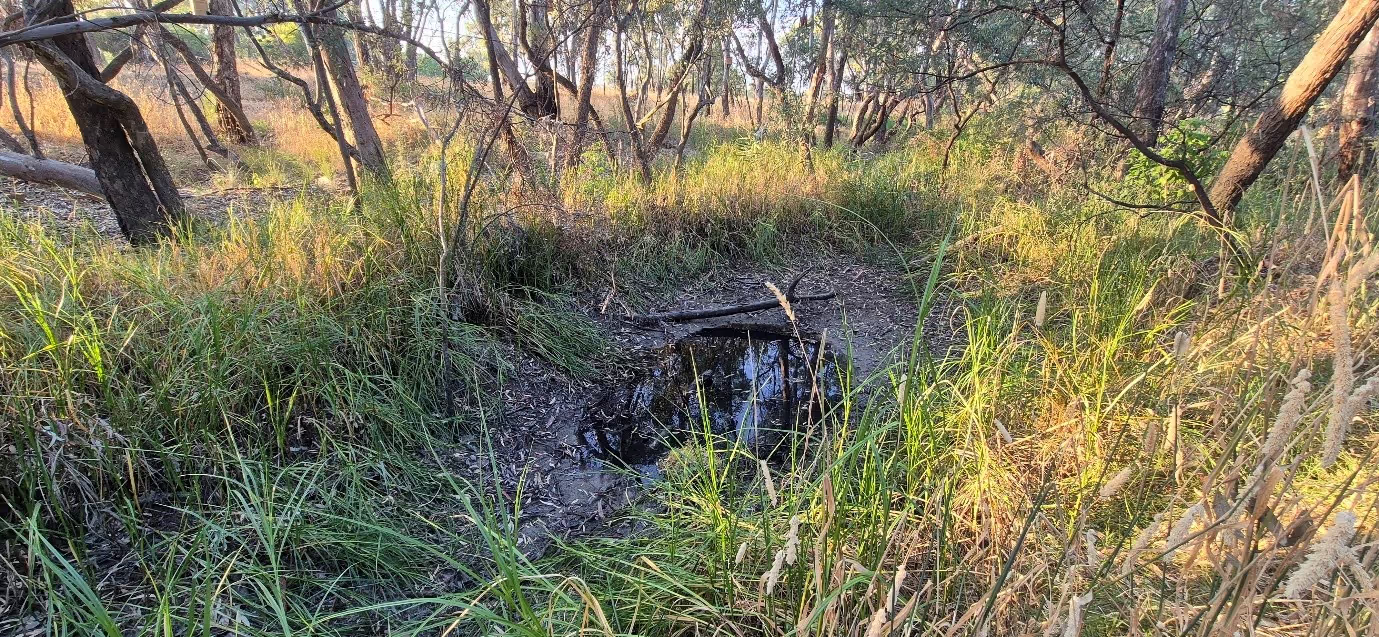
You think conditions are tough for livestock production at the moment, imagine being a fish! Although waterways in our catchment are generally intermittent and experience low flows commonly in the Summer months, the conditions at present are particularly extreme. Fish and other aquatic fauna rely on the refuge pools in the system to lay low until flow returns.
Changes to our waterways (erosion, sedimentation, lower runoff and groundwater extraction) mean that there are fewer, shallower and less reliable refuge pools. Due to this water quality becomes extremely poor – high temperatures cause reduced oxygen and often mean the larger fish will die. Stock access can also lead to significant physical damage. As animals enter waterways, they stir up and deposit sediment, which gradually fills dams and makes them shallower. When livestock stand in the water and defecate, E. coli levels increase. Salinity also becomes more concentrated, and the added nutrients from manure can drive electrical conductivity (EC) to very high levels.
There is currently a zero flow situation at the gauge in the Billabong creek immediately downstream of Mountain and Ten Mile Creek junction, and EC (salinity) is 2475 uS/cm and rising. Most Australian aquatic species are well adapted to low flow and surviving poor conditions in refuge pools for a short amount of time, but these extreme conditions are worrying. We can’t make it rain, but we can help the situation
Some short term things we can do are:
- Protecting these refuge pools from stock damage during this sensitive time (eg: temporary fencing can help ease the pressure).
- Take the kids carp fishing – these guys compete with whatever else is in the pool and make conditions muddy and more challenging for native fish.
Some longer term, things we can do are:
- Fencing and revegetation along waterways, and provide off-stream water (better water quality = better production so is a win-win)
- Treat erosion in the gullies and banks to slow sediment entering the system and filling up these pools
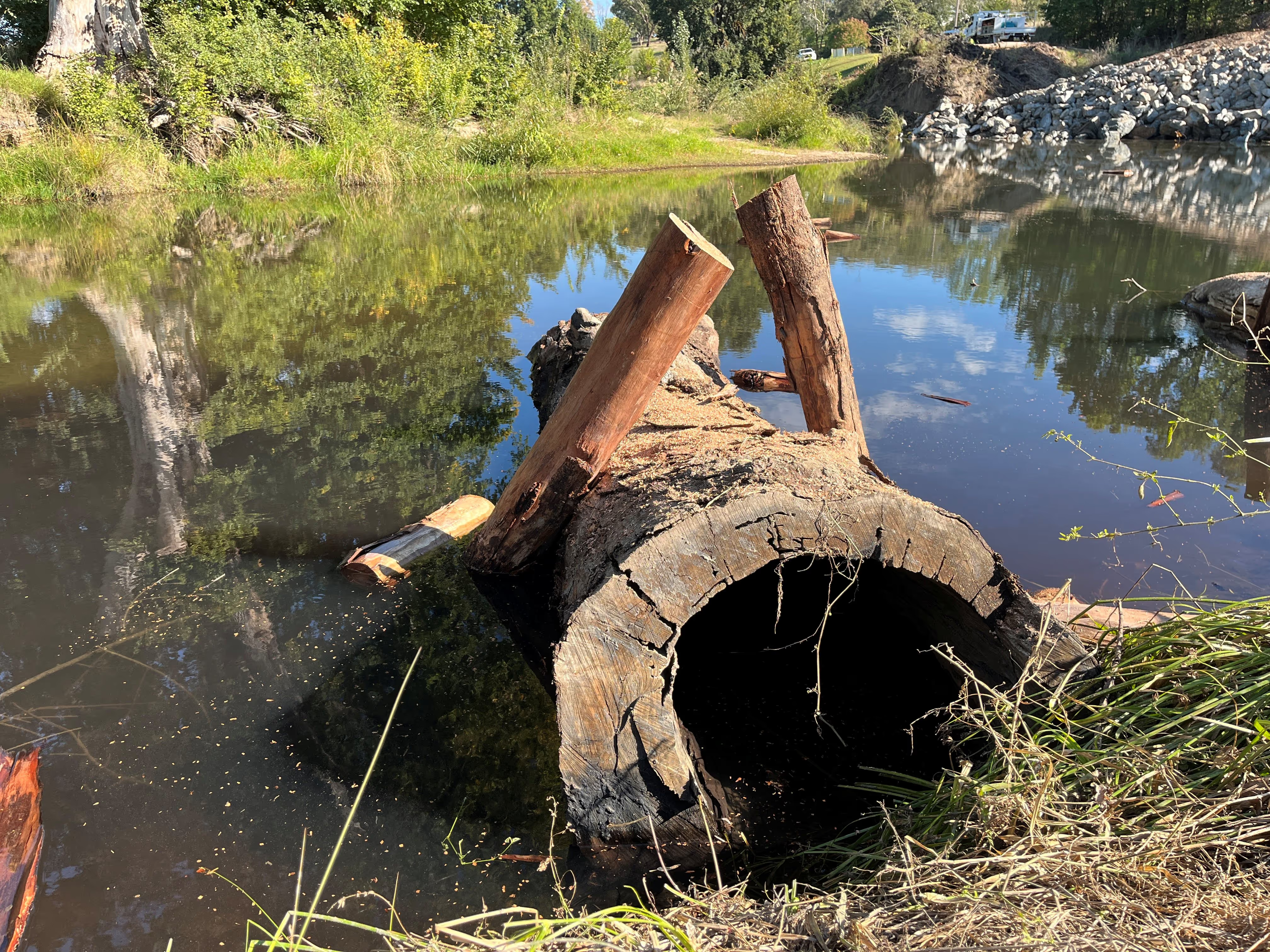
- Keep large logs and debris in the waterway – these are the infrastructure in a stream that develop and maintain pool depth
See the Resources tab for the full booklet on best practise for in-stream works, outlining how to protect the Southern Pygmy Perch in our region.