
Stay up to date with the Refreshing Rivers Program by subscribing to our newsletter.
Thanks for subscribing to Refreshing Rivers!
Oops! Something went wrong while submitting the form.
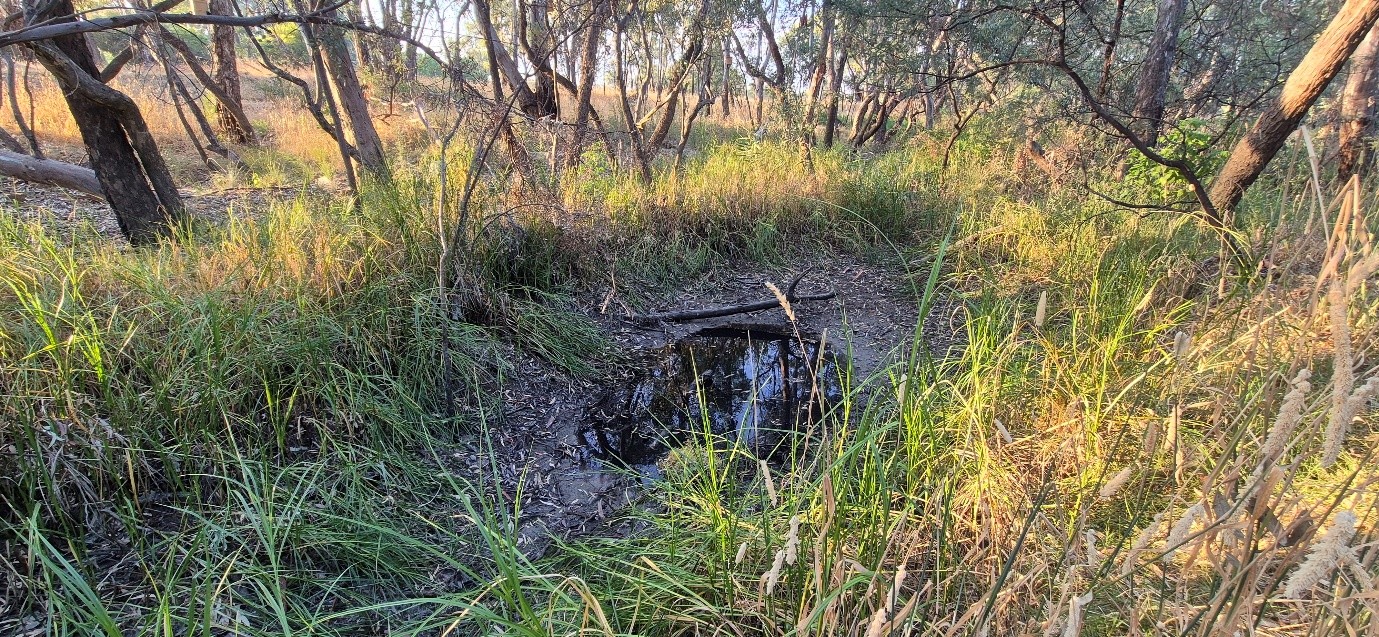
Extreme low flows are pushing refuge pools to their limits. Heat, sediment, salinity and stock impacts are degrading water quality and threatening native fish. This article outlines what’s causing it and practical steps we can take to protect our waterways.
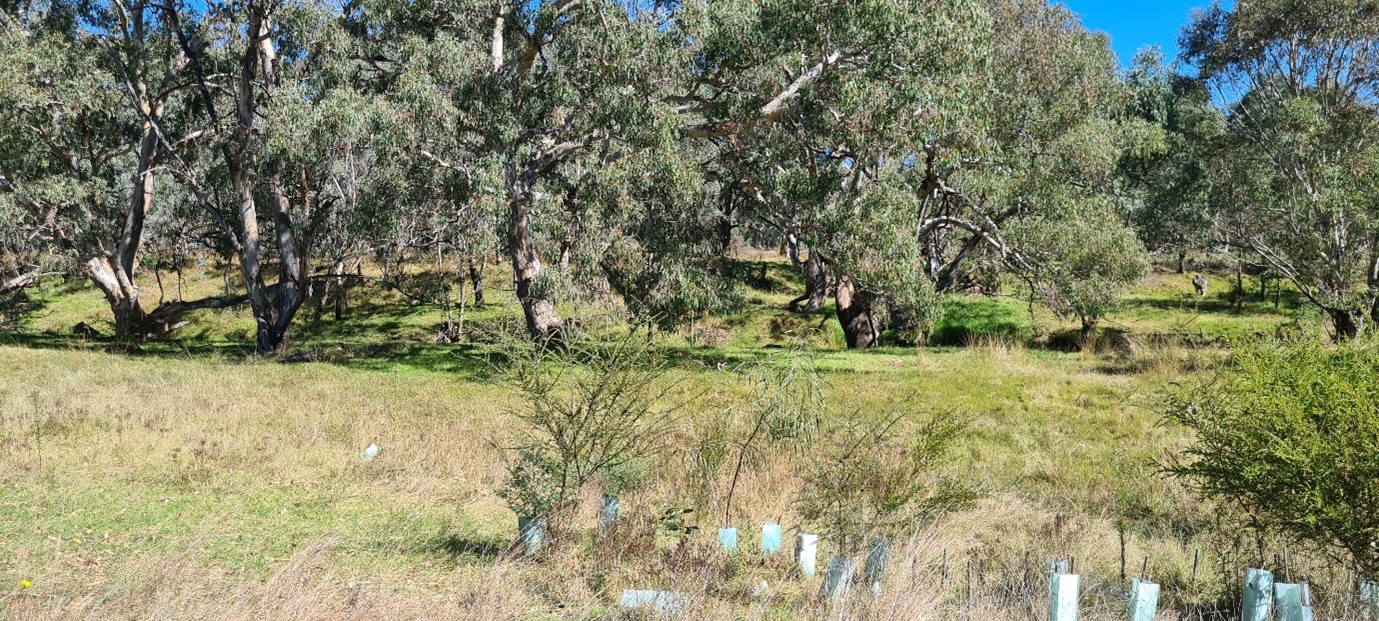
Courtesy of the Refreshing Upper Billabong project, we have a limited number of tubestock suitable for planting both instream and along creek banks to reduce erosion and create habitat.
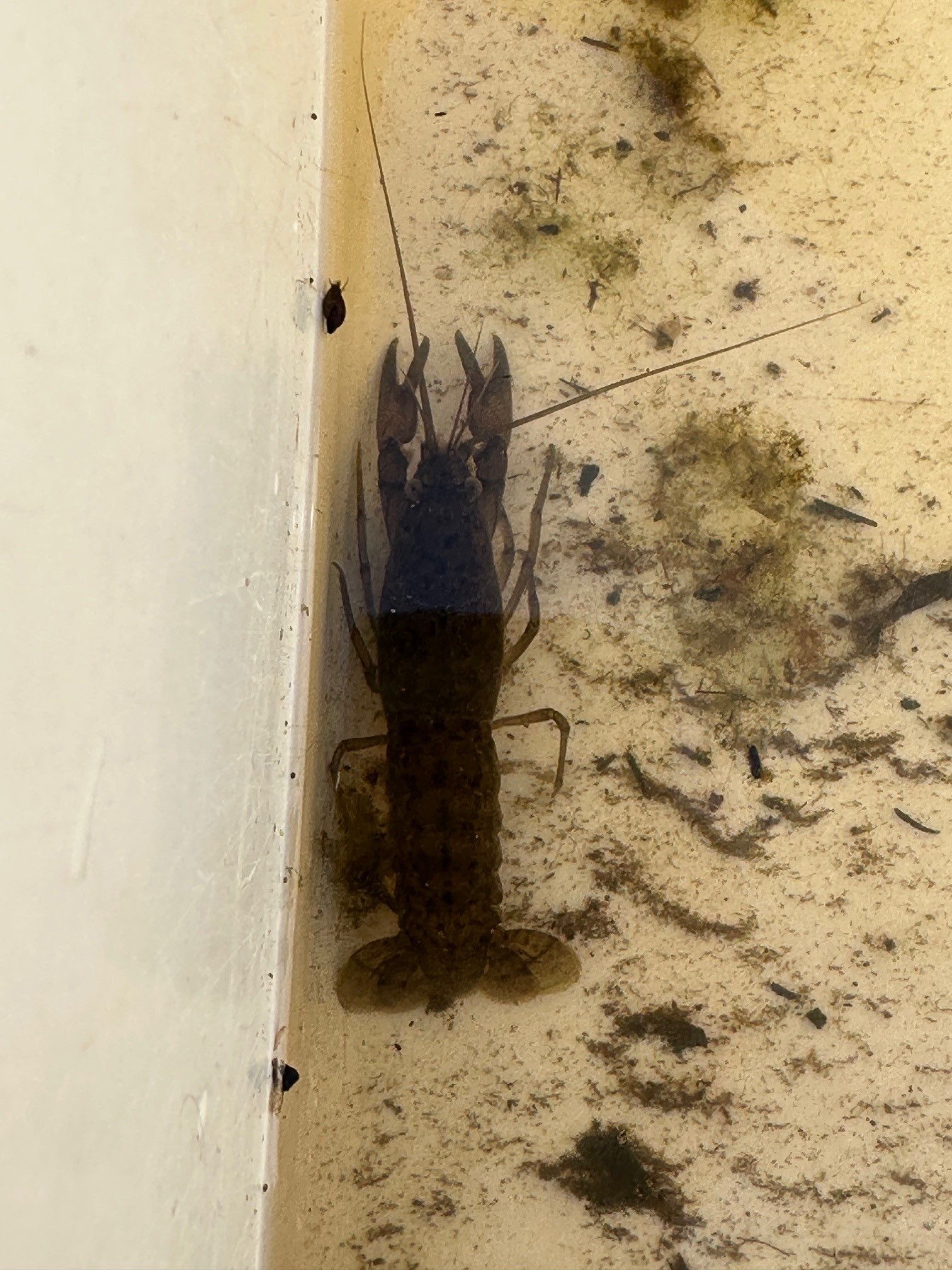
We lacked information on the aquatic wildlife of the Upper Billabong catchment, so using Citizen Science - the Refreshing Rivers iNaturalist project and eDNA tests, we have gathered 1,672 observations across the catchment and also completed 9 eDNA profiles in local waterways.
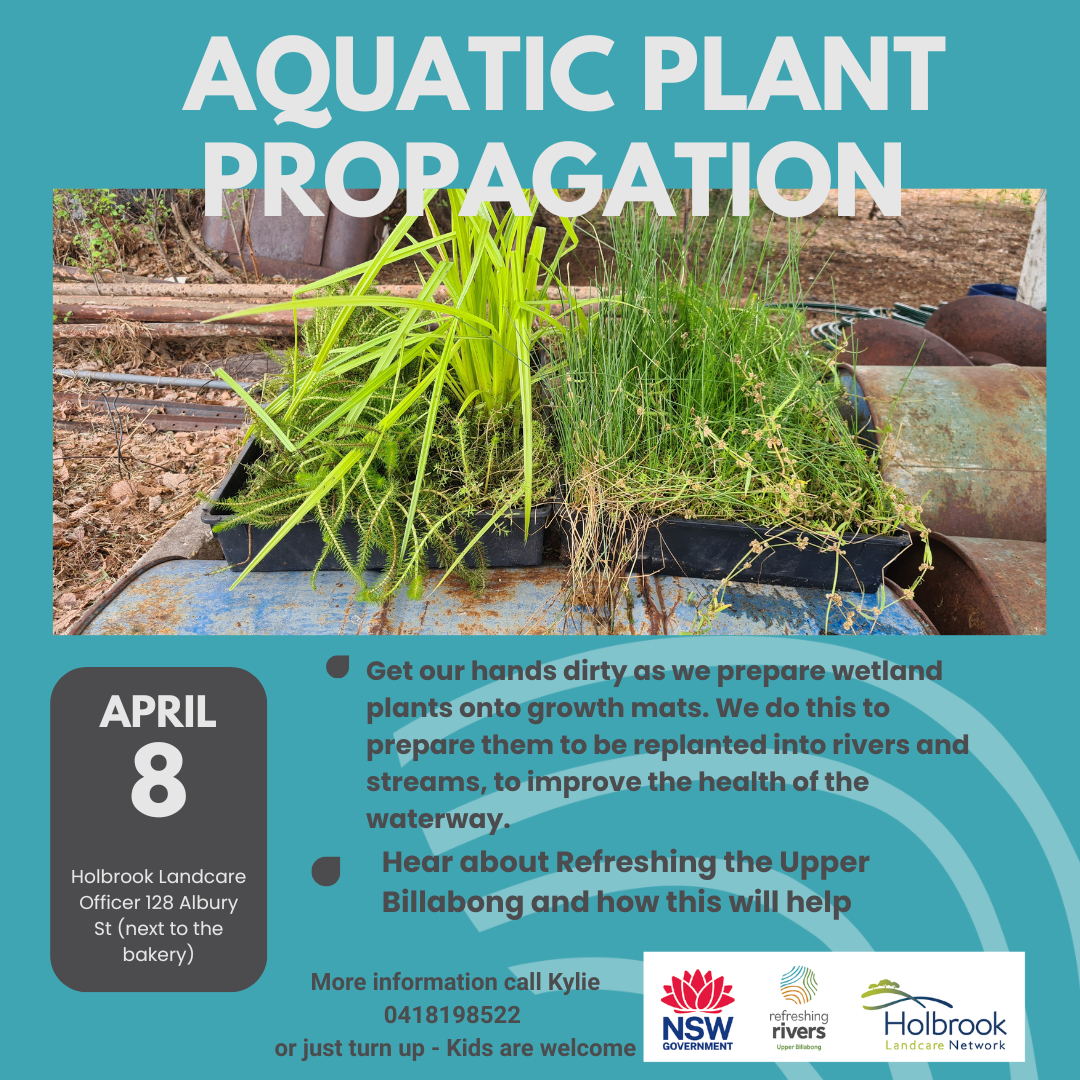
Let's get our hands dirty and prepare wetland plants onto growth mats! We do this to prepare them to be replanted into rivers and streams, to improve the health of our waterways.
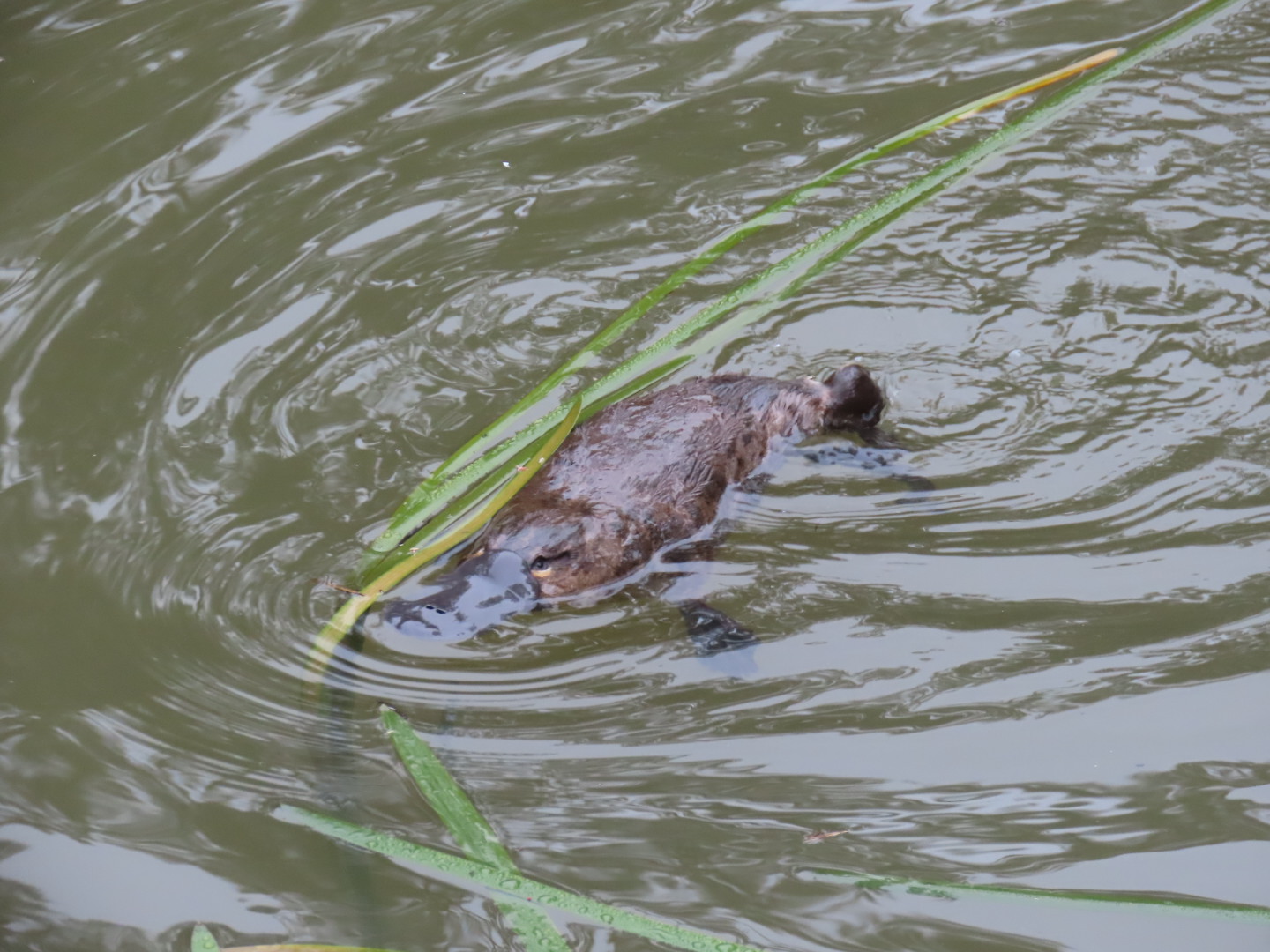
Take part in the Platy-project and you’ll help researchers understand more about this elusive animal, and how we can better protect it..
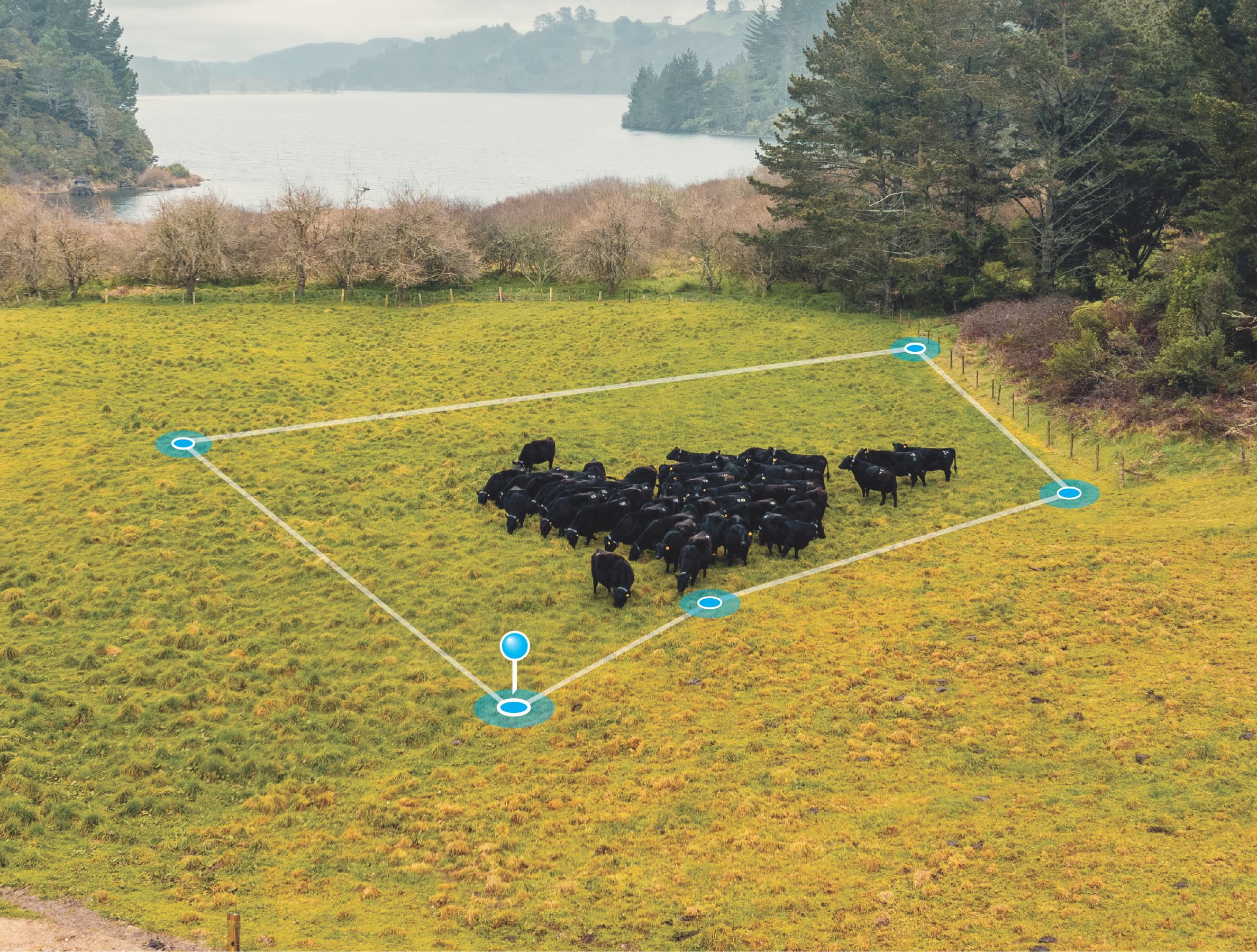
We're hosting an introduction session to virtual fencing technology! Come and learn about virtual fencing, the pros and cons of the technology, and hear from one of the technology providers, Halter and a farmer in the early stages of adoption.
Extreme low flows are pushing refuge pools to their limits. Heat, sediment, salinity and stock impacts are degrading water quality and threatening native fish. This article outlines what’s causing it and practical steps we can take to protect our waterways.
Courtesy of the Refreshing Upper Billabong project, we have a limited number of tubestock suitable for planting both instream and along creek banks to reduce erosion and create habitat.
We lacked information on the aquatic wildlife of the Upper Billabong catchment, so using Citizen Science - the Refreshing Rivers iNaturalist project and eDNA tests, we have gathered 1,672 observations across the catchment and also completed 9 eDNA profiles in local waterways.
.jpg)
On Saturday the 21st of March, the inaugural Carpathon was held at The Cape in Jerilderie. The sun was shining, the grass was green from the recent rain, and 73 people registered for the event! It was a day full unlucky carp, prize winners, a delicious BBQ and many happy faces.
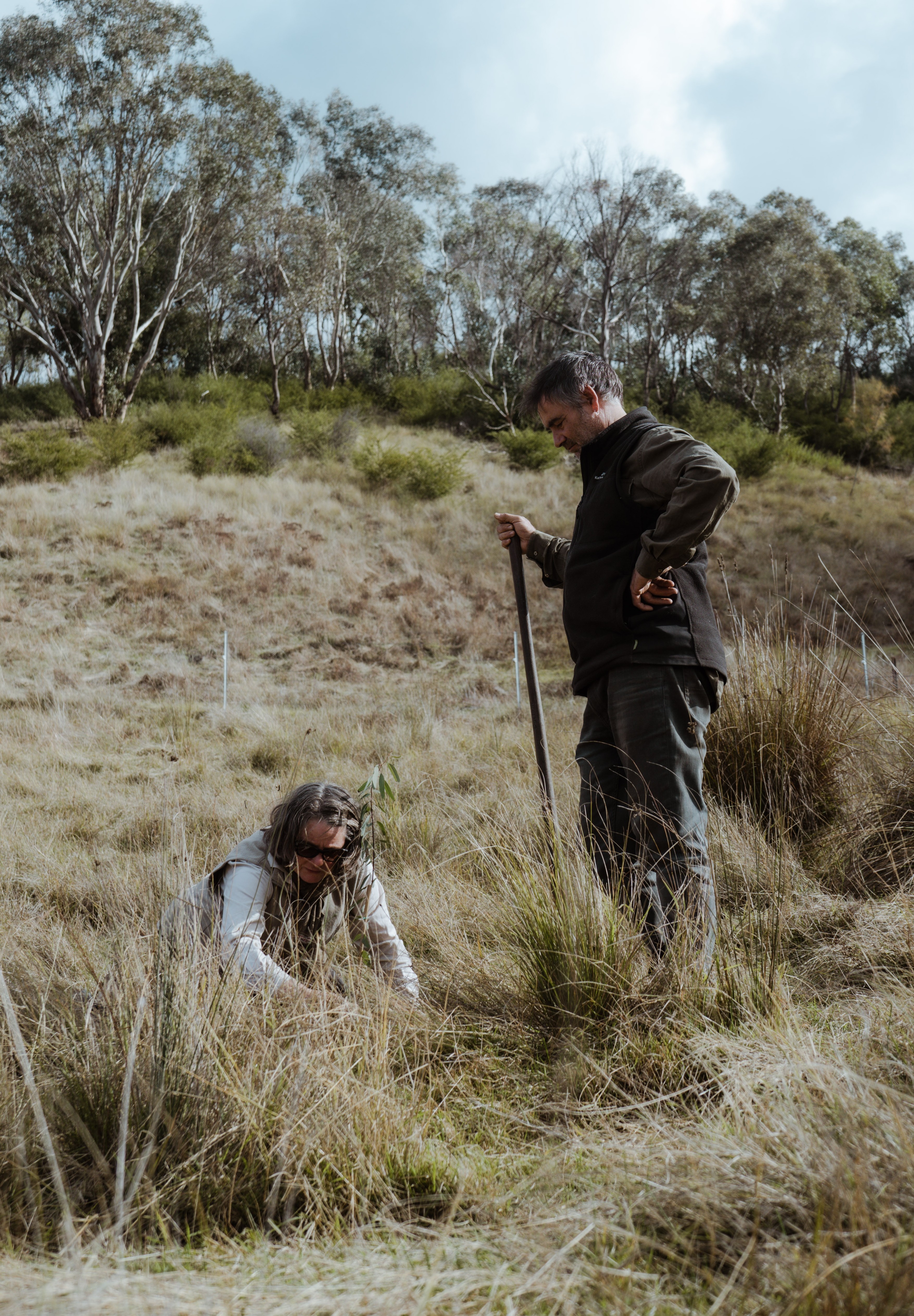
David Bray and Louise Freckleton are stewards of Highfield Farm and Woodland, a 335 Ha property near Adelong in the eastern Riverina. Highfield blends conservation of critically endangered Box‑gum grassy woodland with a small‑scale paddock‑to‑plate enterprise and a thriving ecotourism operation.
Let's get our hands dirty and prepare wetland plants onto growth mats! We do this to prepare them to be replanted into rivers and streams, to improve the health of our waterways.
Take part in the Platy-project and you’ll help researchers understand more about this elusive animal, and how we can better protect it..
We're hosting an introduction session to virtual fencing technology! Come and learn about virtual fencing, the pros and cons of the technology, and hear from one of the technology providers, Halter and a farmer in the early stages of adoption.

European carp (Cyprinus carpio) uproot vegetation, degrade habitat and reduce water quality, competing with native species for food and space. Come along to help us remove some of these carp from our local waterway.

Join the Refreshing Rivers team and Landcare under the clear, unspoilt night skies for an evening celebrating the beauty and importance of our nocturnal environment.

Local ecologist, Dan Hutton, had students looking at life up close with the prolific Australian glass shrimp. These Species provide a vital food source for our native fish. Eastern long necked turtled joined the show, learning how to differentiate male from female by looking at the underbelly.

The latest carp electrofishing and removal event on April 17, 2025, has once again shown the success of the ROAR case study project in reducing invasive fish populations in Billabong Creek, Conargo, as part of the wider Refreshing Rivers Program.

On March 27th, 2025, Boys to the Bush teamed up with Murrumbidgee Landcare’s Jessie McPherson and YACTAC’s Andrea Mitchell for a fun and hands-on citizen science event at the top of Yanco Creek, near Euroley.

In early April, the Billabong Creek at Conargo came alive with community-led restoration efforts as part of the Refreshing Rivers program. YACTAC, Jeithi Jerilderie Aboriginal Group and Yarkuwa, joined by local groups and schools, released over 1,000 native eel-tailed catfish

Through the efforts of YACTAC, Yarkuwa, the Refreshing Rivers program, and Kolety-Werkul Rangers, native plants are now taking root in and around the waterway, blending cultural knowledge, local collaboration, and environmental care to create a healthier, more vibrant creek for future generations
Extreme low flows are pushing refuge pools to their limits. Heat, sediment, salinity and stock impacts are degrading water quality and threatening native fish. This article outlines what’s causing it and practical steps we can take to protect our waterways.
Courtesy of the Refreshing Upper Billabong project, we have a limited number of tubestock suitable for planting both instream and along creek banks to reduce erosion and create habitat.
We lacked information on the aquatic wildlife of the Upper Billabong catchment, so using Citizen Science - the Refreshing Rivers iNaturalist project and eDNA tests, we have gathered 1,672 observations across the catchment and also completed 9 eDNA profiles in local waterways.
Let's get our hands dirty and prepare wetland plants onto growth mats! We do this to prepare them to be replanted into rivers and streams, to improve the health of our waterways.
We're hosting an introduction session to virtual fencing technology! Come and learn about virtual fencing, the pros and cons of the technology, and hear from one of the technology providers, Halter and a farmer in the early stages of adoption.

"Maccas" were once widespread, but are now threatened and the Adjungbilly Creek is critical for their long-term survival. Through this partnership, more than 250ha of habitat has been enhanced, and over 30,000 native trees and shrubs planted along the creek.

The Black Summer Bushfires had a huge impact – including on the iconic Platypus. Populations may have declined by up to 18%, but work is underway to understand Platypus population health and restore habitat.

A new chain of hotels has just been established in Tumut, but their guests will be fish!

We have been working with the Brungle Tumut Local Aboriginal Land Council (LALC) within the Riverina Highlands. Take a look at the recent activities that have been undertaken and the resulting impact on the local environment to improve the health and biodiversity of waterways.

Whether you're a beginner or a seasoned gardener, this workshop will teach you the techniques for propagating one of our regions rarest native plants, the Tumut Grevillea. In doing so you will be part of a program assisting with the recovery of this critically endangered plant.






Please get in touch by emailing info@refreshingrivers.com.au

All material © Refreshing Rivers 2024.
Website developed by the Australian River Restoration Centre