Low cost solutions to restore vegetation in and along waterways

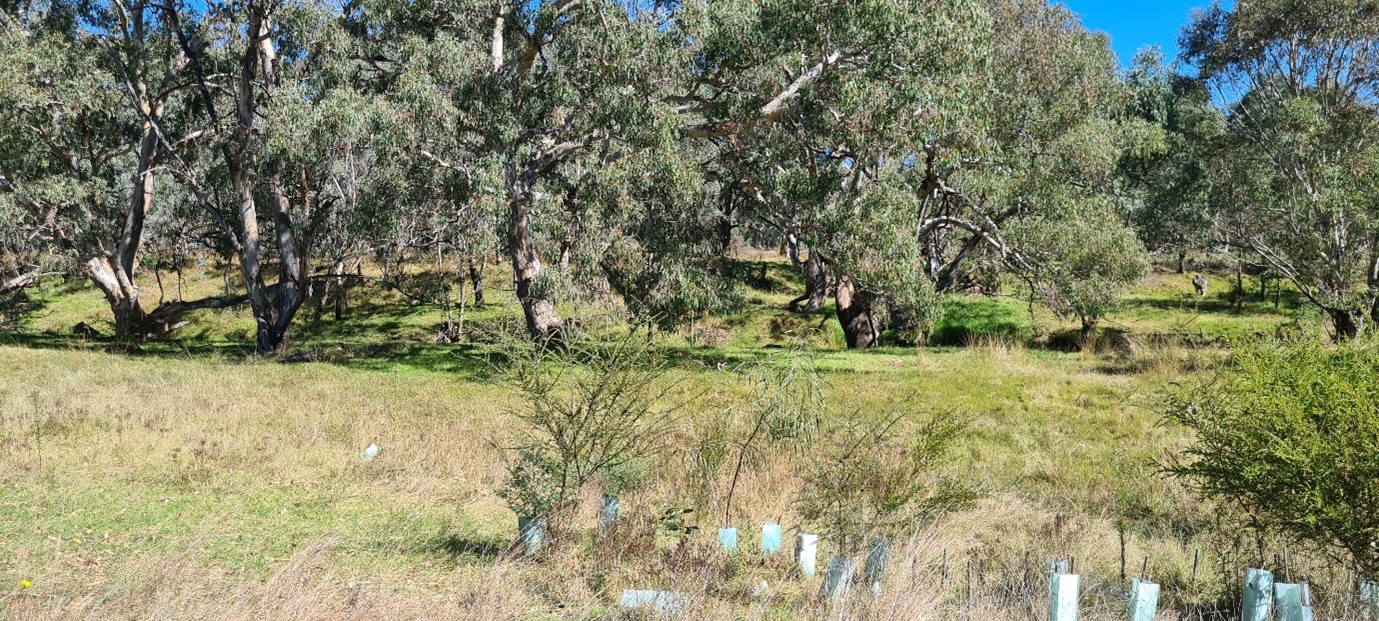
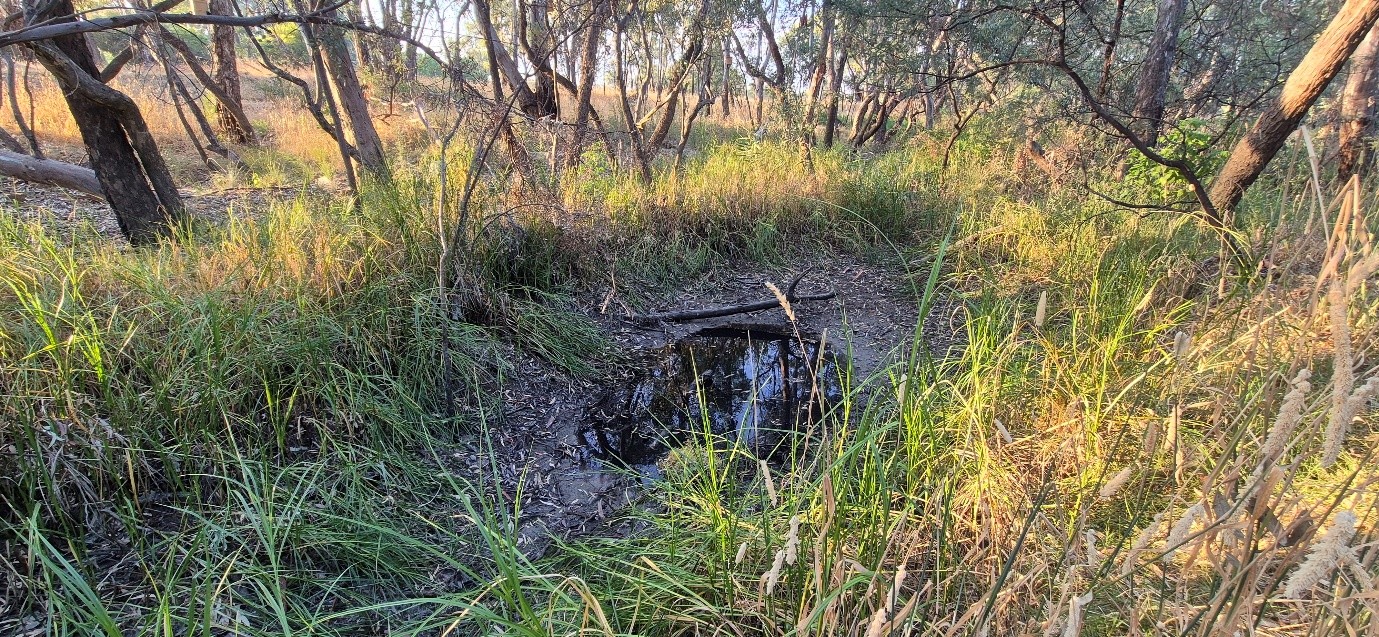
Native vegetation near or within waterways such as creeks, rivers, wetlands and farm dams holds enormous value for farming operations and on-farm biodiversity. They serve as natural filters for pollutants, provide essential habitats for diverse species, and act as buffers against soil erosion. The health of these habitats directly impacts water quality, biodiversity, and overall ecosystem resilience.
Traditionally, before waterways can be planted they need to be fenced to restrict livestock access. But in certain situations where fencing is not an option, what are some of the possible solutions?
Come along and hear from speakers from LLS and Ozfish as they explore this issue and provide examples of a number of low cost solutions.
Each participant will receive a tray of riparian vegetation to take home to help put these solutions into practice.
When - 26th June 2025
Time - 1.00 to 3.30pm
Where - Tumut Landcare Nursery, 5 Gocup rd Tumut
Any questions - contact Cherie White, Riverina LLS on 0427 407 126 or email cherie.white@lls.nsw.gov.au
This event is part of the Refreshing Rivers Project funded by the NSW Environmental Trust