Refreshing Ian Geddes Reserve

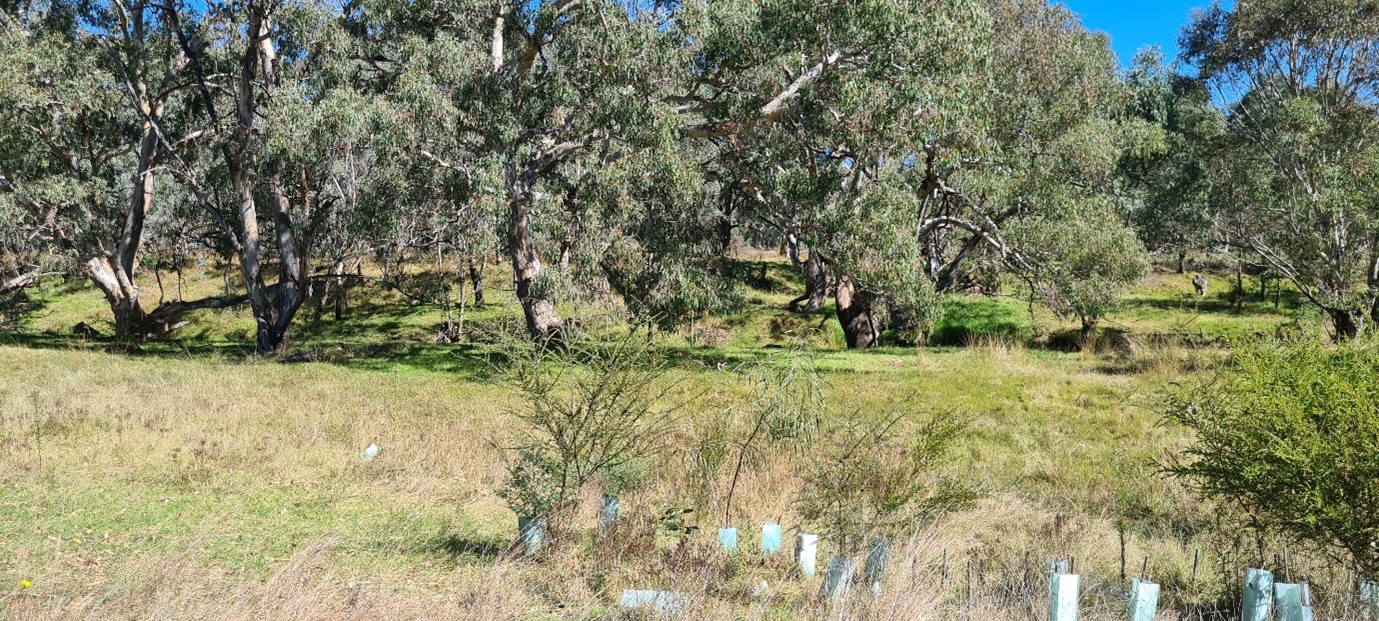
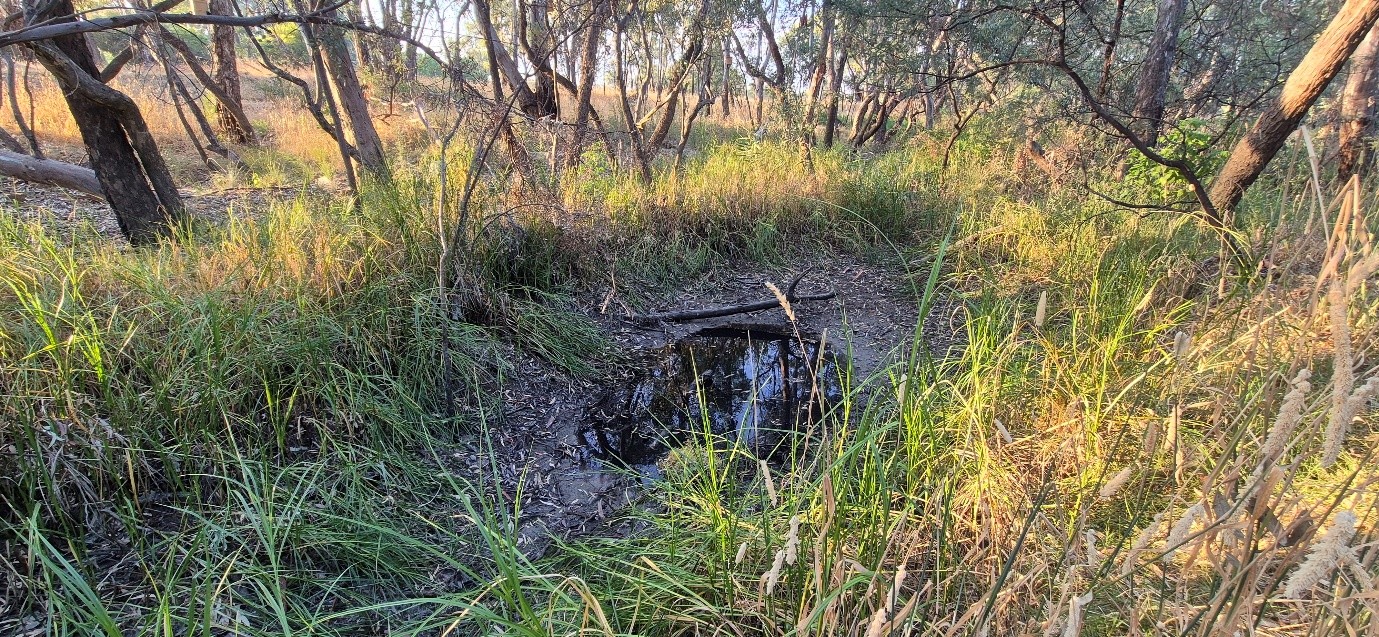
There has been some large-scale and important work happening at Ian Geddes Reserve lately, all with the focus on improving waterway health and increasing remnant pool capacity during dryer periods for the Southern Pygmy Perch. The major works included the removal of woody weeds and invasive shrubs/trees along the creek line, in addition to some earth works to increase embankment stabilisation along Ten Mile Creek.
Refreshing Rivers has also provided 1,000 suitable plants for revegetation to this special woodland corridor along the Ten Mile Creek. This will assist to reduce bank erosion, increase native vegetation groundcover and also provide shelter & food source shrubs/trees for the various native animals and birds that live in and utilise this important corridor. Some of the species planted include: poa labillardieri, carex inversa, juncus articulatus, lomandra longifolia, acacia dealbata, acacia implexa, acacia verniciflua, kunzea parvifolia, leptospermum continentale, with more species to be planted soon.
Paula (Holbrook Regional Landcare Coordinator) has recorded details of the 9 new nest boxes, which were purpose-designed for squirrel gliders, Petaurus norfolcensis, showing us the monitoring procedures and taking photos of the inside of each box. It looks like a couple of the new boxes may have had some visitors, so hopefully they will become occupied soon.
We will keep you posted as to a Working Bee in the coming weeks to finish planting and possibly tackle the ivy growing up the trees.